Health Risks Associated With Rodents in Residential and Commercial Spaces
Local contractors specializing in rodent pest control can help reduce health risks associated with rodents in residential and commercial spaces by effectively removing infestations and preventing disease transmission.
Residents and business owners in the area are increasingly aware of the health risks associated with rodents in residential and commercial spaces. These pests can carry and transmit a variety of illnesses, some of which pose serious health threats to people and pets alike. Understanding these risks is essential for maintaining a safe environment, especially for households with children or employees working in close quarters. Exploring professional rodent pest control options can help mitigate these dangers, as local contractors are equipped to identify and eliminate infestations before health issues develop.
Property owners who notice signs of rodent activity should consider the importance of timely intervention. Beyond property damage, rodents can contaminate food supplies and surfaces, increasing the likelihood of disease transmission. Connecting with experienced service providers ensures that effective, targeted measures are taken to address the problem and reduce health risks associated with rodents in residential and commercial spaces. Keep reading to learn more about how local experts can assist in creating a healthier, pest-free environment.
- Residential Rodent Control - homeowners noticing rodent activity may seek services to reduce health risks associated with rodents in residential spaces, with local contractors implementing trapping and exclusion methods.
- Commercial Pest Management - businesses experiencing rodent sightings or contamination concerns often turn to local service providers to address health risks associated with rodents in commercial environments.
- Infestation Inspection and Removal - property owners suspect rodent presence and want to mitigate health risks associated with rodents in their spaces by scheduling thorough inspections and targeted removal.
- Sanitation and Containment - facilities aiming to prevent health risks associated with rodents in residential and commercial spaces may need professional sanitation and containment services to limit exposure.
- Preventative Rodent Proofing - property managers seeking to minimize health risks associated with rodents in residential and commercial spaces often contact local pros for exclusion and sealing services.
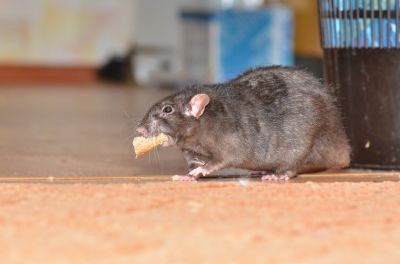
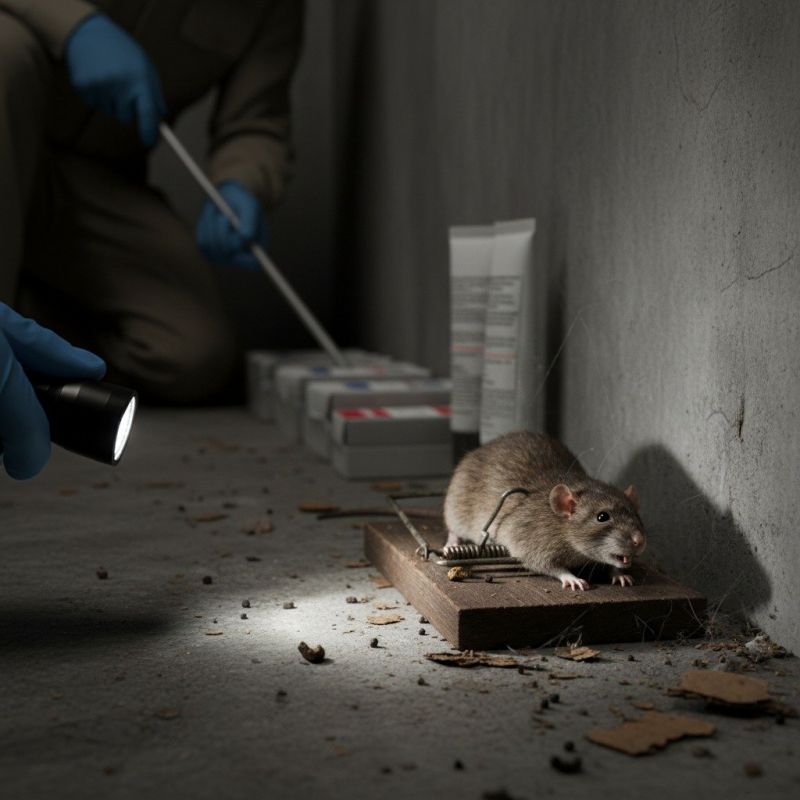
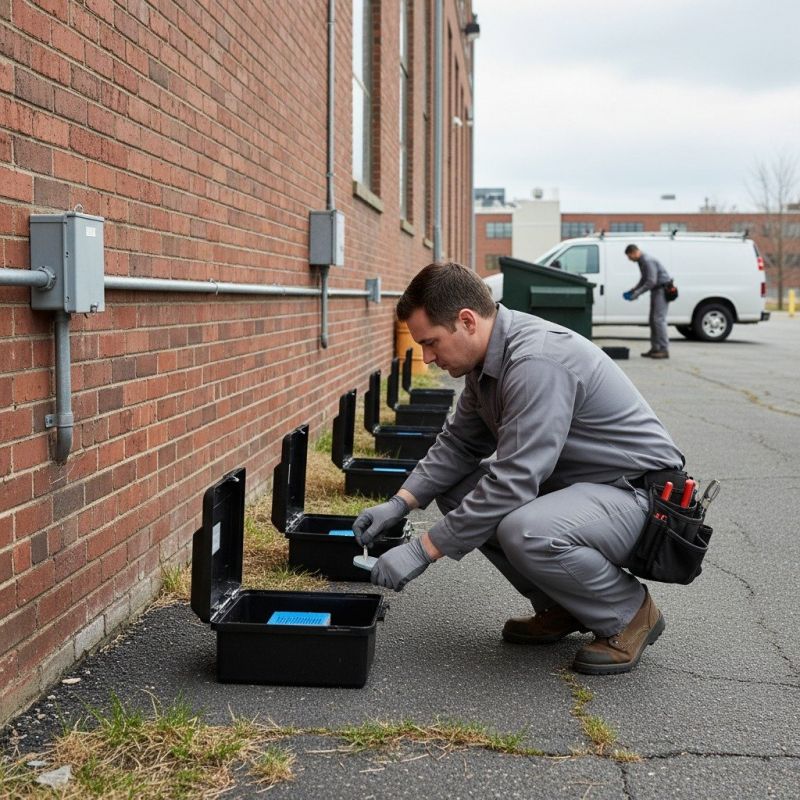
When people search for information about health risks associated with rodents in residential and commercial spaces, they are often concerned about the potential dangers that these pests pose to human health. This interest typically stems from noticing signs of rodent activity, such as droppings, gnaw marks, or unusual noises, and wanting to understand the possible health implications. Many are seeking guidance on how rodents can transmit diseases or cause other health-related problems, especially if they have children, pets, or staff members in the property. Understanding these risks helps property owners prioritize pest control efforts and take proactive steps to protect everyone’s well-being.
The health problems linked to rodents in these environments can be serious and wide-ranging. Rodents are known carriers of various pathogens that can cause illnesses such as hantavirus, leptospirosis, salmonellosis, and rat-bite fever. These diseases can be transmitted through contact with rodent urine, droppings, saliva, or even bites. Additionally, rodents can trigger allergic reactions and asthma symptoms in sensitive individuals due to their dander and nesting materials. The presence of rodents also increases the risk of contamination of food supplies and surfaces, which can lead to foodborne illnesses. Property owners often seek guidance on how to identify these hazards and implement effective pest management strategies to mitigate health risks.
Properties that typically come up in discussions about health risks associated with rodents include both residential homes and commercial buildings. In homes, attics, basements, and kitchens are common areas where rodents may establish nests. Commercial spaces such as restaurants, warehouses, and grocery stores are especially vulnerable due to the availability of food and shelter. Industrial facilities and office buildings can also be affected, particularly if they experience structural vulnerabilities or clutter that provides hiding spots. Recognizing the types of properties at risk helps property owners understand the importance of regular inspections and pest control measures, which local service providers can facilitate to reduce health hazards.
Understanding the connection between rodent infestations and health risks is crucial for property owners aiming to maintain safe environments. Local pros who specialize in rodent pest control can assess the severity of an infestation, identify entry points, and implement targeted treatment plans to eliminate rodents and their associated health threats. These service providers can also offer advice on sanitation practices and structural repairs to prevent future problems. By addressing rodent activity promptly and thoroughly, property owners can significantly reduce the potential for disease transmission and create healthier spaces for residents, employees, or customers.
Building Inspection Services - Professionals assess residential and commercial properties for rodent entry points and infestations, which is crucial for understanding potential health risks associated with rodents in spaces.
Sanitation and Waste Management Consulting - These projects focus on proper waste disposal and sanitation practices that help prevent rodent populations and reduce associated health hazards.
Structural Repair and Sealing Services - Contractors specialize in sealing gaps and entry points that rodents use to access buildings, thereby mitigating health risks linked to rodent intrusion.
Ventilation and Air Quality Testing - This work involves evaluating air quality in indoor environments to identify contamination from rodent-borne pathogens and allergens.
Pest Prevention Planning - Local service providers develop strategies to prevent rodent infestations, which directly impacts the health risks associated with rodents in spaces.
Wildlife Exclusion Projects - These projects involve the removal and exclusion of rodents from residential and commercial properties to minimize health hazards related to rodent-borne diseases.
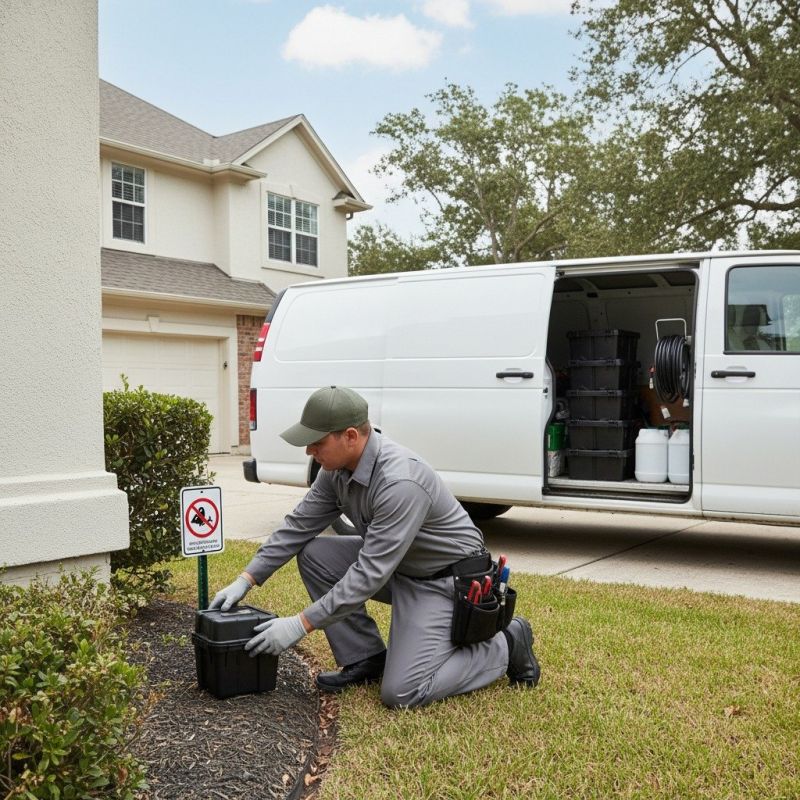
When comparing local contractors for rodent pest control, it is important to evaluate their experience with similar projects. Homeowners should seek service providers who have a proven track record in effectively addressing health risks associated with rodents in residential and commercial spaces. An experienced contractor will understand the common entry points, nesting habits, and behaviors of rodents, which is essential for implementing comprehensive control measures that minimize health hazards. Asking about past projects or requesting references can provide insight into their familiarity with situations similar to the property in question, helping to ensure that the chosen professional can handle the specific challenges involved.
Clear written expectations are vital when selecting a service provider for rodent control. Homeowners should look for contractors who can outline their approach, the scope of work, and the expected outcomes in detail. Transparent communication about procedures-such as trapping, baiting, or exclusion techniques-helps set realistic expectations about how health risks associated with rodents will be mitigated. A reputable contractor will also be willing to discuss any necessary follow-up measures or ongoing prevention strategies, ensuring that the homeowner understands what steps will be taken to reduce health hazards over time and how they can support the process.
Reputable references and effective communication are key factors in choosing a reliable service provider. Homeowners should seek out local contractors with positive feedback from previous clients, especially those who have successfully managed health risks associated with rodents in similar settings. Good communication involves not only providing clear explanations of the methods used but also being responsive to questions and concerns about health safety. A professional who maintains open, honest dialogue can help ensure that homeowners feel informed and confident in the pest control process, ultimately contributing to a healthier living or working environment free from rodent-related health risks.
Property owners often search for health risks associated with rodents in residential and commercial spaces when they are planning practical projects around their homes and businesses. Local pros provide Rodent Pest Control services for everyday jobs and straightforward project options.
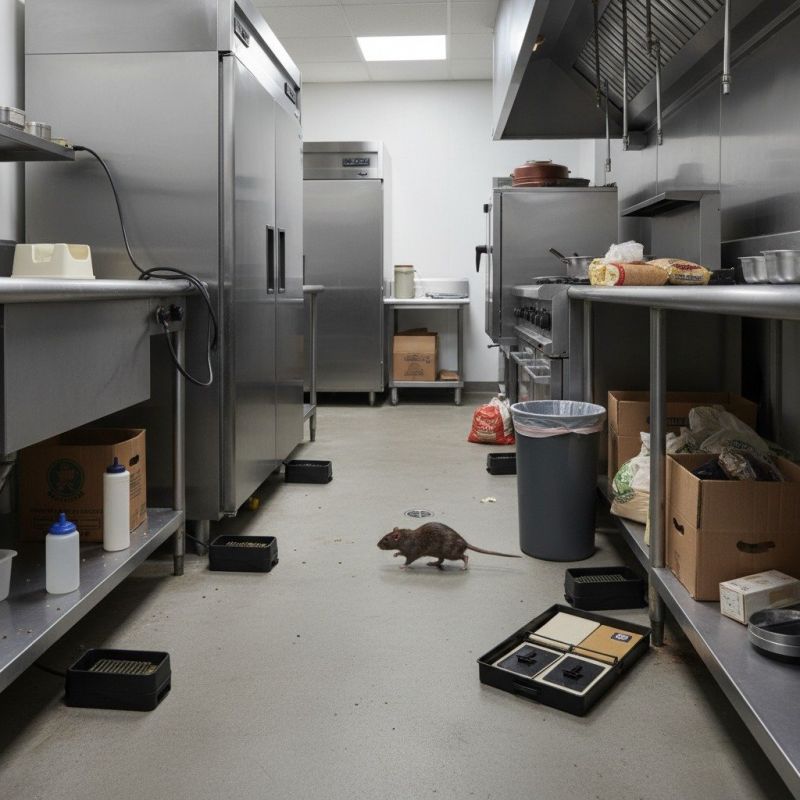
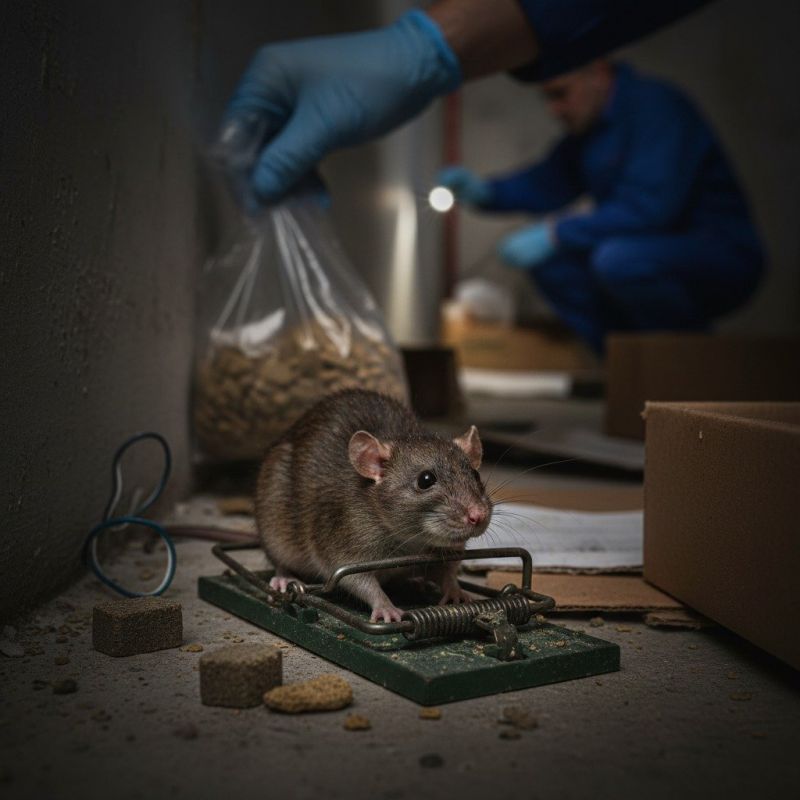
Rodents in residential and commercial spaces can pose significant health risks that property owners should be aware of. These pests are known to carry and spread various diseases through their droppings, urine, and nesting materials, which can contaminate food supplies and surfaces. In everyday project situations, such as preparing a property for occupancy or managing ongoing sanitation, understanding the potential health hazards associated with rodents underscores the importance of professional pest control services. Local contractors experienced in rodent pest control can assess the extent of an infestation and implement effective measures to reduce these health threats, helping to create safer environments for residents, employees, and visitors.
Property owners often seek rodent pest control services to prevent the health risks associated with rodents in residential and commercial spaces from escalating. Beyond disease transmission, rodents can also trigger allergic reactions and exacerbate respiratory issues through their droppings and shed fur. In commercial settings, such as food establishments or warehouses, the presence of rodents can lead to contamination and regulatory concerns. Engaging with local service providers who specialize in rodent control can help address these health risks promptly, ensuring that properties remain clean and safe. These professionals can develop tailored strategies to eliminate rodent populations and reduce the potential for health-related problems to develop or worsen.
What health risks are linked to rodents in homes and businesses? Rodents can carry diseases such as hantavirus, salmonella, and leptospira, which can be transmitted to humans through contact with contaminated surfaces, droppings, or bites. Local contractors specializing in rodent pest control can help reduce these health hazards by safely removing rodents and their droppings.
How can rodents impact indoor air quality and health? Rodents produce droppings, urine, and shed hair that can contribute to airborne allergens and pathogens, potentially causing respiratory issues. Professional pest control services can identify and eliminate rodent infestations to improve indoor air safety.
Are there specific health concerns for vulnerable populations? Yes, children, the elderly, and those with weakened immune systems are more susceptible to illnesses caused by rodent-borne pathogens. Local service providers can implement targeted pest management strategies to protect these groups from health risks.
What are the risks of rodent droppings and nesting materials? Droppings and nesting materials can harbor bacteria, viruses, and parasites that pose health threats. Trained pest control professionals can safely remove these materials and prevent further contamination.
How do professional rodent control services help prevent disease transmission? These services focus on identifying entry points, trapping, and removing rodents, which minimizes contact with contaminated materials and reduces the risk of disease spread within residential and commercial spaces.
Identify entry points - property owners can work with local contractors to locate and seal gaps that allow rodents to enter, reducing health risks associated with rodents in residential and commercial spaces.
Implement sanitation measures - applying proper waste management and cleaning practices with the help of local pros can minimize food sources and nesting sites for rodents.
Set targeted traps and baits - professionals can assist in placing effective traps to control rodent populations and decrease potential health hazards.
Establish ongoing monitoring - regular inspections by local service providers help detect early signs of infestation, preventing health risks associated with rodents in the future.
If you are thinking about health risks associated with rodents in residential and commercial spaces for a property, this guide is meant to help you understand this topic, the typical project types, and how different options might fit your plans.
When you are ready, you can use the quote form on this page to share a few details about your project. From there, local pros can review the basics and follow up with options that match what you have in mind.