How Moles Disrupt Root Systems and Landscape Drainage
If moles damage root systems and landscape drainage, local yard mole removal service providers can help eliminate the problem effectively.
Understanding how moles disrupt root systems and landscape drainage is essential for property owners looking to maintain a healthy, stable yard. These small creatures tunnel beneath the surface, creating extensive networks that can weaken plant roots and compromise the integrity of drainage systems. When root systems are disturbed, trees and shrubs may become more vulnerable to stress and disease, while poorly functioning drainage can lead to water pooling, soil erosion, and even damage to walkways or foundations. Exploring this topic helps property owners recognize the signs of mole activity and the potential impacts on their landscape’s health and stability.
For those dealing with mole activity, connecting with experienced local contractors who specialize in yard mole removal can be a practical step toward protecting the landscape. These service providers understand how moles affect root structures and drainage, offering solutions to mitigate damage and restore yard health. By addressing mole issues early, property owners can help preserve the integrity of their landscape and prevent more extensive problems down the line. Keep reading to learn more about how moles impact yard systems and the ways local experts can assist in managing these common pests.
- Common Projects Services - Homeowners noticing damage to root systems or poor drainage may seek yard mole removal services, where local contractors use targeted methods to eliminate moles.
- Garden and lawn care professionals often handle mole removal when moles threaten plant health or landscape integrity, employing traps or barriers to control populations.
- Property managers addressing soil disruption caused by moles can rely on local service providers to implement effective removal strategies that protect underground structures.
- Landscapers may recommend mole removal when tunneling activity compromises drainage systems or causes uneven ground, with experienced pros applying safe, efficient techniques.
- Homeowners concerned about moles disrupting root systems and drainage often turn to local contractors for removal solutions that restore soil stability and landscape function.
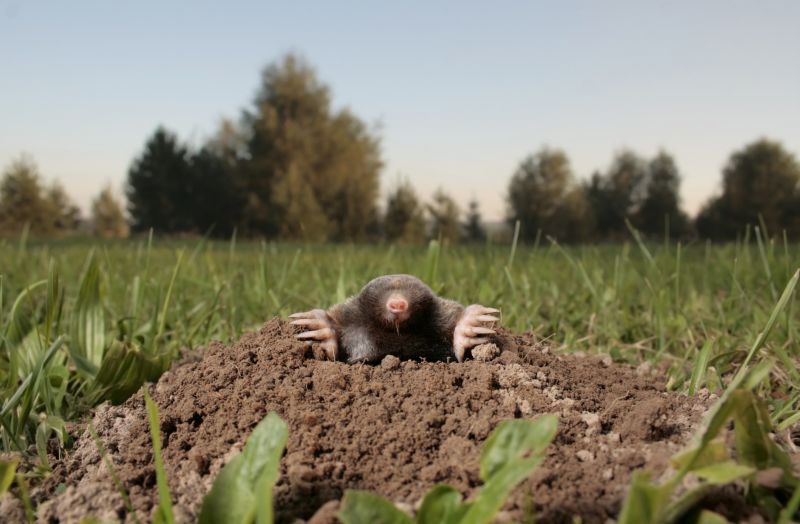
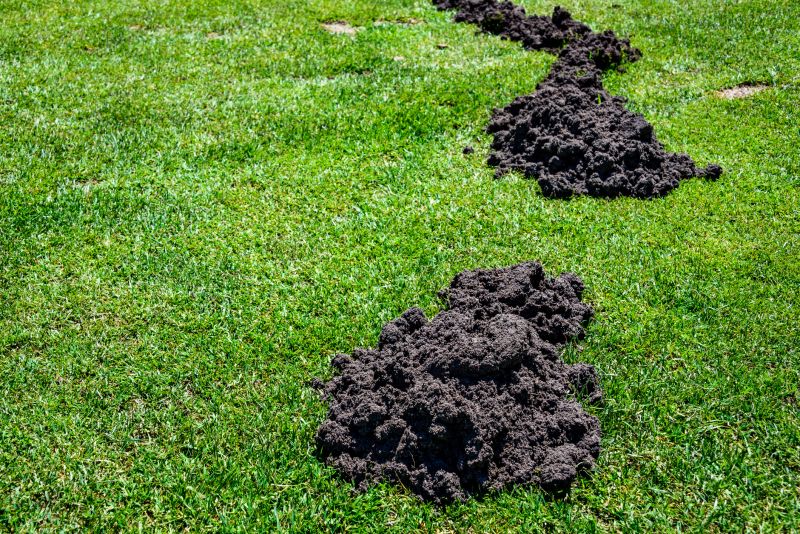
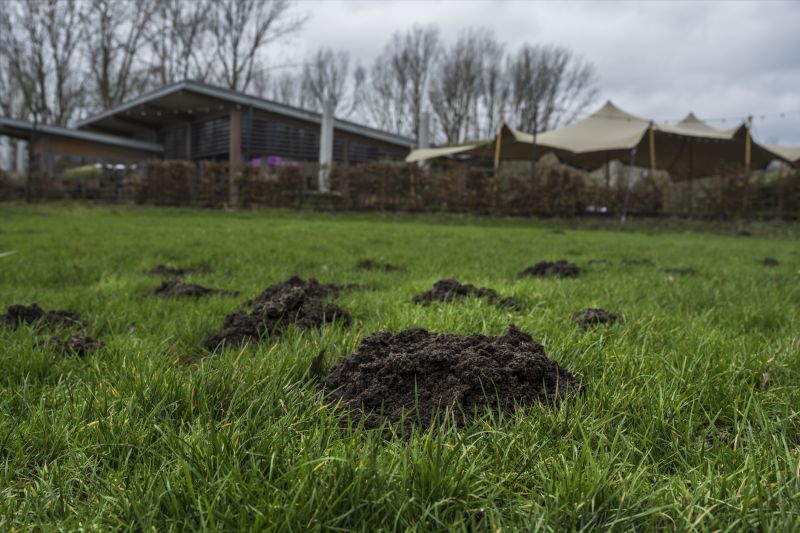
Understanding how moles disrupt root systems and landscape drainage is a common concern among homeowners dealing with yard issues. When people search for this topic, they are often trying to learn how mole activity can affect the health of their trees and plants, as well as the overall drainage of their property. Moles tunnel beneath the surface, creating intricate networks that can disturb the soil's natural structure. This disturbance can lead to roots becoming exposed or damaged, which weakens plants and trees, making them more vulnerable to stress and disease. Additionally, the tunneling can interfere with the natural flow of water through the soil, resulting in poor drainage, pooling, or even erosion in certain areas of the yard.
This issue typically relates to property maintenance, landscaping plans, or specific efforts to improve yard health. Homeowners may notice increased soil mounding, uneven ground, or areas where water seems to collect or drain poorly after mole activity begins. These problems can compromise the success of planting new trees, installing lawns, or establishing garden beds. For those planning landscape renovations or trying to maintain healthy, well-drained outdoor spaces, understanding how moles disrupt root systems and landscape drainage is essential. Addressing mole activity early can prevent long-term damage to plants and avoid costly repairs related to soil erosion or poor drainage that can complicate landscaping projects.
Properties most often affected by moles include residential yards with lush lawns, gardens, or mature trees. Lawns with soft, moist soil are particularly attractive to moles, as they provide easy tunneling opportunities and access to food sources like grubs and insects. Gardens with dense plantings or landscaped areas near woodlands or open fields are also at higher risk, especially if the soil is rich and loamy. In some cases, properties with extensive landscaping or irrigation systems may experience more noticeable disruptions, as mole tunnels can interfere with underground pipes or drainage lines. Homeowners with these types of properties should be aware of how mole activity can impact their landscape’s health and drainage efficiency.
Local Yard Mole Removal service providers are well-equipped to address these issues. They can evaluate the extent of mole activity and its impact on root systems and drainage patterns. These professionals use targeted methods to reduce mole populations and prevent further tunneling damage. By working with experienced service providers, homeowners can restore the integrity of their soil structure, protect plant roots, and improve overall drainage. Proper mole control not only helps maintain the aesthetic appeal of a yard but also supports the long-term health of landscape features. Connecting with local experts ensures that property owners receive effective, practical solutions tailored to the specific needs of their outdoor space.
Gopher and burrowing animal removal - these services involve excavating and managing pests that can damage root systems and disrupt landscape drainage, similar to mole control efforts.
Drainage system installation and repair - local contractors who install or fix drainage systems help prevent water buildup caused by mole tunnels and soil disturbance.
Soil aeration and compaction relief - professionals who improve soil health and structure can mitigate issues caused by mole burrowing that affects root growth and water flow.
Landscape grading and contouring - these projects help manage water runoff and can address drainage problems resulting from mole activity beneath the surface.
Tree and shrub root zone protection - specialists who install barriers or perform root zone management work to prevent mole damage to critical plant roots.
Lawn and garden pest control - providers who manage underground pests contribute to maintaining healthy root systems and proper landscape drainage.
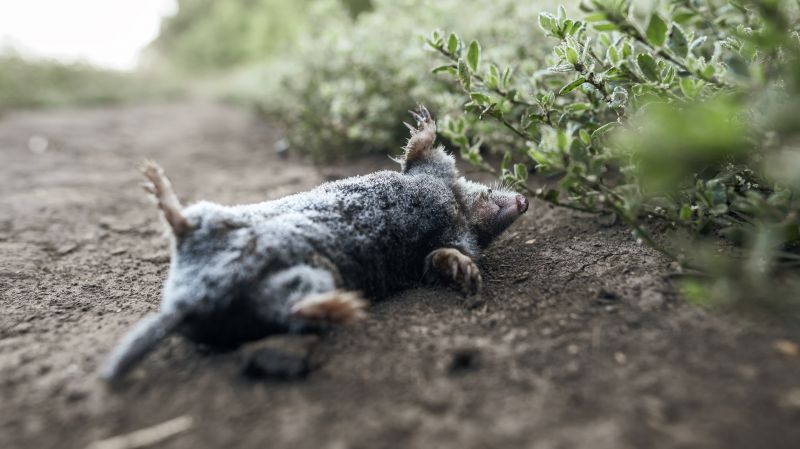
When evaluating service providers for yard mole removal, it is important to consider their experience with similar projects, particularly those involving the disruption of root systems and landscape drainage. Contractors who have handled mole-related issues in environments comparable to the homeowner’s landscape can provide insights into effective removal strategies and long-term solutions. Asking about their past work with properties of similar size, terrain, or plantings can help gauge their familiarity with the specific challenges that moles present and ensure they have the practical knowledge needed to address root disruption and drainage concerns effectively.
Clear, written expectations are essential when selecting a local contractor for mole removal services. A reputable service provider should be able to outline their approach, including the methods they plan to use, the scope of work, and any follow-up recommendations. This transparency helps homeowners understand what to expect and ensures that the project aligns with their landscape’s needs. Detailed communication about the process can also prevent misunderstandings and provide peace of mind that the contractor is committed to delivering a thorough and professional service.
Reputable references and strong communication are key factors in choosing a reliable contractor. Service providers with positive feedback from previous clients often demonstrate a track record of successful mole removal and landscape preservation. Good communication involves prompt responses to inquiries, clear explanations of procedures, and a willingness to answer questions about how moles can disrupt root systems and landscape drainage. These qualities help homeowners feel confident in their choice and foster a collaborative relationship that can contribute to a successful outcome for their yard.
Property owners often search for how moles disrupt root systems and landscape drainage when they are planning practical projects around their homes and businesses. Local pros provide Yard Mole Removal services for everyday jobs and straightforward project options.
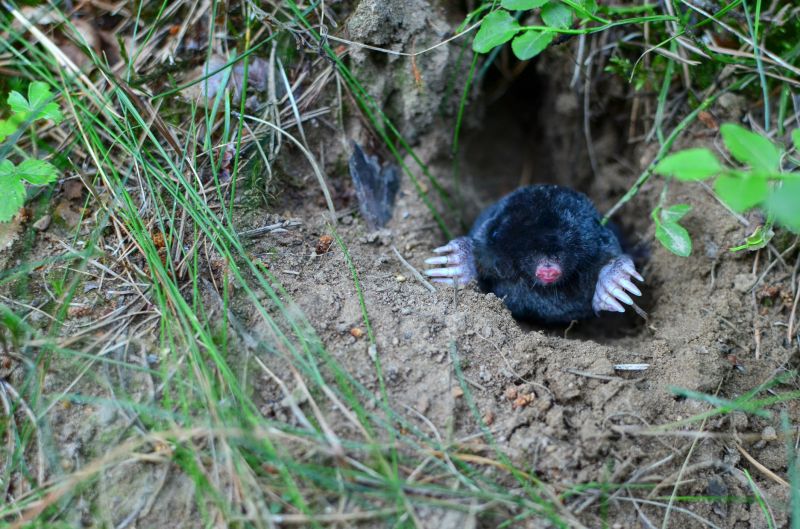
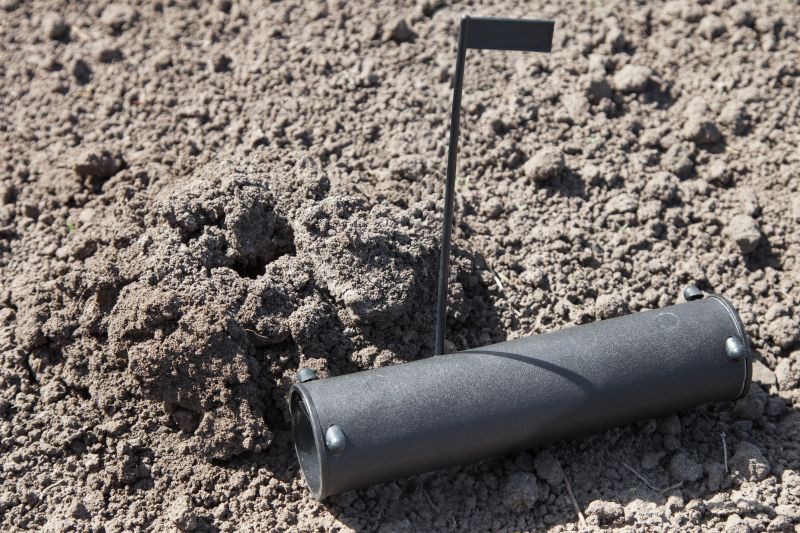
Moles can significantly impact the health of a property's landscape by disturbing root systems and affecting drainage patterns. When moles tunnel through the soil, they can damage the roots of trees and shrubs, weakening plants and making them more vulnerable to disease. Additionally, their tunneling activity can create underground pathways that disrupt the natural flow of water, leading to poor drainage and pooling in certain areas. Property owners noticing uneven ground, increased soil erosion, or standing water may find it helpful to explore yard mole removal services offered by local contractors who specialize in addressing these issues.
In many everyday project situations, homeowners may realize that mole activity is causing more than just surface mounds; it can compromise the stability of their landscape and the health of their plants. Disrupted root systems can result in wilting or dying vegetation, while poor drainage can lead to soggy lawns and potential foundation concerns. Consulting with experienced local service providers can help determine if mole removal is necessary to restore the integrity of the landscape and prevent further damage. These professionals can evaluate the extent of mole activity and implement effective strategies to keep root systems and drainage functioning properly.
How do moles disrupt root systems and landscape drainage? Moles create tunnels that can damage the roots of plants and trees, leading to instability and poor health. Their burrowing also disturbs soil structure, which can cause water to drain improperly across the landscape.
Can mole activity cause drainage problems in a yard? Yes, extensive mole tunneling can block natural water flow, leading to pooling or soggy areas that disrupt landscape drainage and potentially harm plant roots.
What signs indicate moles are impacting root systems and drainage? Signs include raised ridges or mounds, irregular soil mounds, and soft, spongy areas where water tends to collect, indicating tunnel activity beneath the surface.
How can local contractors help with mole-related root and drainage issues? Experienced service providers can remove moles, repair damaged root systems, and restore proper landscape drainage to prevent further disruption and protect yard health.
Are there preventative measures to protect root systems and drainage from moles? Yes, local pros can recommend and implement barriers or other techniques to deter moles, reducing their impact on root health and drainage over time.
Understanding mole activity - property owners can learn how moles create tunnels that weaken root systems and cause drainage issues, helping them identify problem areas early.
Creating targeted removal plans - consulting with local contractors can help develop effective strategies to remove moles and protect landscape features.
Implementing soil repairs - after mole removal, professionals can assist with soil restoration to ensure proper drainage and healthy root growth.
Preventing future disruptions - property owners can explore landscape modifications and mole deterrent techniques with local service providers to minimize ongoing damage.
If you are thinking about how moles disrupt root systems and landscape drainage for a property, this guide is meant to help you understand this topic, the typical project types, and how different options might fit your plans.
When you are ready, you can use the quote form on this page to share a few details about your project. From there, local pros can review the basics and follow up with options that match what you have in mind.