How Moles Destroy Lawns, Roots, and Irrigation Systems
People searching for yard mole removal are typically looking to stop moles from damaging lawns, roots, and irrigation systems, and local contractors can effectively handle these issues.
If you’ve noticed unusual mounds or tunnels appearing across your yard, you might be wondering how moles can impact your property. Moles are more than just underground pests; they can cause significant damage to lawns, roots, and irrigation systems. Property owners in the area often find themselves facing costly repairs and ongoing maintenance issues when moles disturb the integrity of their landscape. Understanding how these small creatures can create such widespread problems underscores the importance of professional assistance to manage and eliminate their activity effectively.
Local service providers specializing in yard mole removal are equipped to help address these concerns. They can assess the extent of mole activity and implement strategies to protect your lawn, roots, and irrigation infrastructure from further damage. Exploring options for mole control can prevent long-term issues and preserve the health and appearance of your outdoor space. Keep reading to discover practical insights into how moles affect properties and how trusted local contractors can assist in safeguarding your yard.
- Common Projects - When moles create extensive tunnels that damage lawns, local contractors can assess the severity and implement effective removal strategies.
- Garden damage caused by mole activity that threatens roots may require professional excavation and mole control services to protect plant health.
- Irrigation systems disrupted by mole burrowing often need expert inspection and repair, with service providers addressing root intrusion and tunnel collapse.
- Signs of mole activity undermining lawn stability or causing uneven surfaces can prompt homeowners to seek local mole removal specialists for targeted solutions.
- Persistent mole problems that threaten the integrity of underground utilities are best handled by experienced service providers who can safely eliminate pests and restore system function.
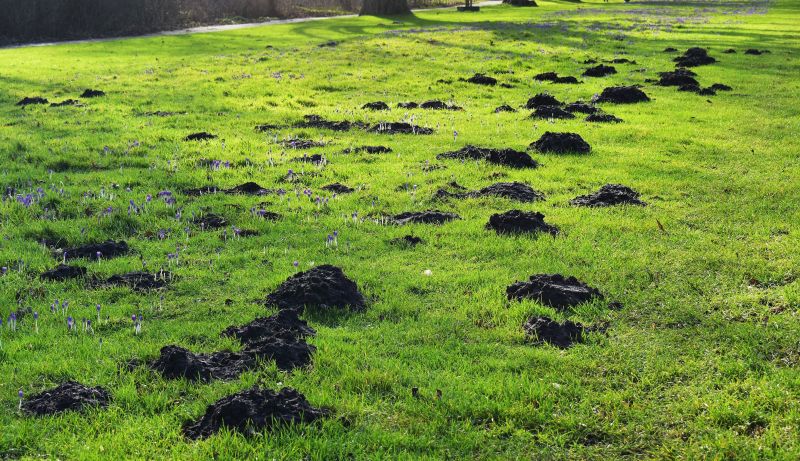
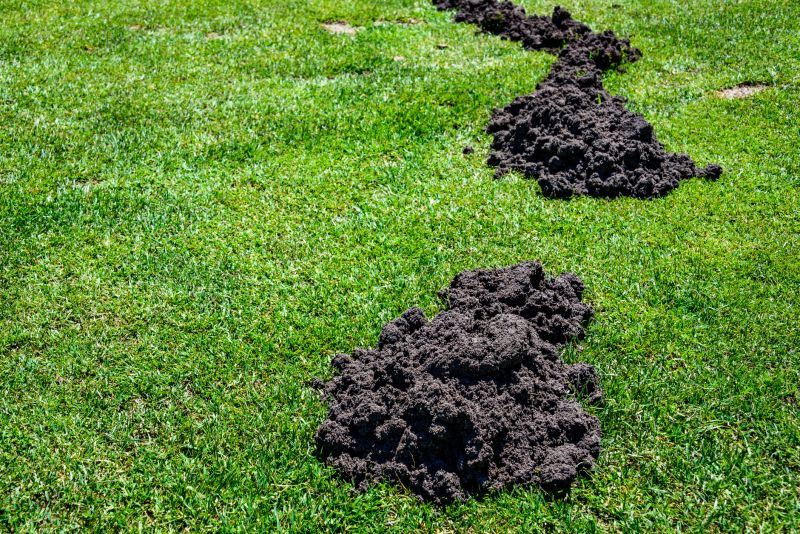
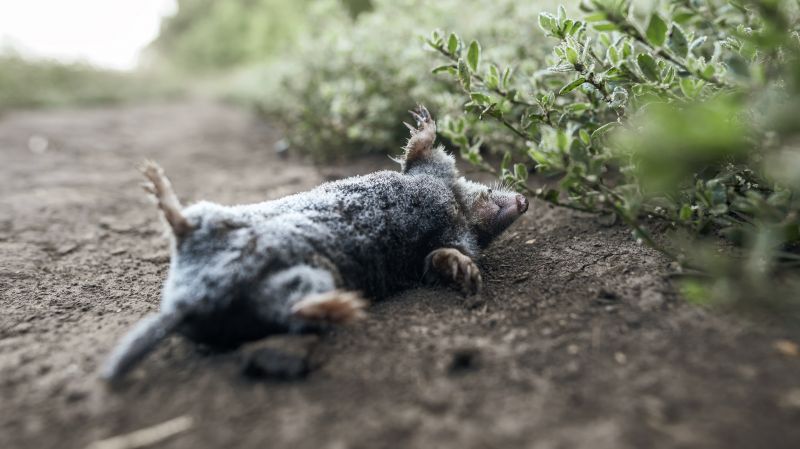
When people search for how moles destroy lawns, roots, and irrigation systems, they are often concerned about the visible damage moles cause to their outdoor spaces. Moles are small, burrowing mammals that create extensive tunnel systems just beneath the surface of the yard. These tunnels can undermine the stability of the lawn, leading to uneven ground, unsightly mounds, and areas that are difficult to mow or enjoy. Homeowners may notice increased mole activity after periods of rain or when the soil becomes soft, making it easier for these creatures to dig. Understanding these signs helps homeowners recognize that moles are more than just nuisances-they can threaten the health and appearance of their entire landscape.
The problems associated with how moles destroy lawns, roots, and irrigation systems are often interconnected. As moles tunnel through the soil, they disturb the root systems of grass and plants, which can weaken or kill vegetation over time. Their extensive burrowing can also damage underground irrigation lines, causing leaks, blockages, or system failures that disrupt watering schedules. Homeowners with vegetable gardens, flower beds, or mature trees may find that mole activity leads to compromised plant health and increased maintenance needs. These issues often prompt property owners to consider pest removal services as part of their broader landscape management or renovation plans.
Certain types of properties tend to be more affected by mole activity, particularly those with expansive lawns, gardens, or well-established landscaping. Residential yards with soft, loose soil are especially attractive to moles, as they make digging easier. Properties with a lot of open space, such as suburban homes, farms, or estates, often experience higher levels of activity simply because of the available habitat. Additionally, properties that have recently undergone landscaping or soil disturbance may be more vulnerable, as moles are drawn to areas where they can easily create new tunnels. These properties typically require the assistance of experienced service providers who specialize in mole removal and damage prevention.
Local pros who handle yard mole removal can play a key role in addressing the damage caused by these burrowing pests. They understand the habits of moles and the specific signs of their activity, allowing them to develop effective strategies for removal and control. These specialists can also assess the extent of damage to lawns, roots, and irrigation systems, helping property owners plan repairs or preventative measures. By working with experienced service providers, homeowners can restore the health and appearance of their outdoor spaces while reducing the risk of ongoing damage. Proper removal and management of moles can help protect the investment in landscaping and ensure the yard remains safe and functional.
Pest Control for Soil-Damaging Insects - local contractors who handle pest issues can also address burrowing pests that damage lawns and underground systems, similar to moles.
Landscape Drainage and Irrigation Repair - experts in irrigation system maintenance and repair can help prevent damage caused by mole activity disrupting water flow and root health.
Lawn Aeration and Soil Care - professionals skilled in soil aeration and lawn health can mitigate the effects of mole tunneling that weaken turf and roots.
Root Zone Management Services - specialists who manage tree and shrub roots can address issues caused by mole burrows undermining plant stability and health.
Underground Utility and Drain Line Services - contractors experienced in underground system installation and repair can detect and fix damage caused by mole activity to irrigation and utility lines.
Soil Excavation and Grading - local experts in soil work can restore lawn surfaces affected by mole tunnels and prevent future damage to irrigation systems.
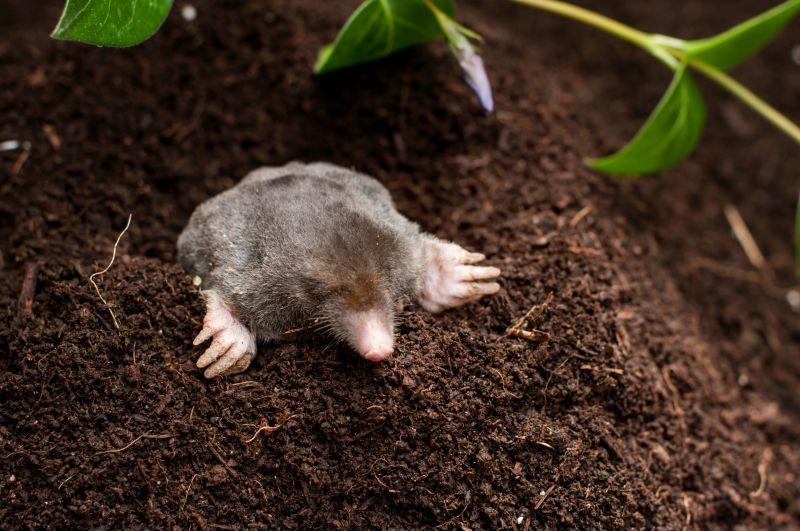
When evaluating local contractors for yard mole removal, it is important to consider their experience with similar projects, particularly those involving the destruction caused by moles to lawns, roots, and irrigation systems. Contractors who have handled a variety of mole-related issues are more likely to understand the behaviors and patterns of moles, as well as effective methods for humane and effective removal. Asking about their past work with properties affected by moles can provide insight into their familiarity with the challenges specific to this type of pest activity and help ensure the chosen service provider has the relevant expertise.
Clear written expectations are essential when comparing local service providers for yard mole removal. A detailed scope of work should outline what the process entails, including any necessary follow-up or preventative measures. This transparency helps prevent misunderstandings and ensures that the homeowner understands what services will be provided and what results to expect. Reputable contractors will be willing to provide documentation or written estimates that specify the scope, methods, and any guarantees or warranties associated with their work.
Good communication and reputable references are key factors to consider when selecting a local contractor for mole removal services. Service providers who communicate clearly and promptly can help address questions or concerns throughout the process, making the experience more straightforward and less stressful. Additionally, seeking references or reviews from previous clients can offer valuable insights into the contractor’s reliability, professionalism, and effectiveness in resolving mole-related issues. Choosing a contractor with a proven track record of successful projects can contribute to a more satisfactory outcome in protecting lawns, roots, and irrigation systems from mole damage.
Property owners often search for how moles destroy lawns, roots, and irrigation systems when they are planning practical projects around their homes and businesses. Local pros provide Yard Mole Removal services for everyday jobs and straightforward project options.
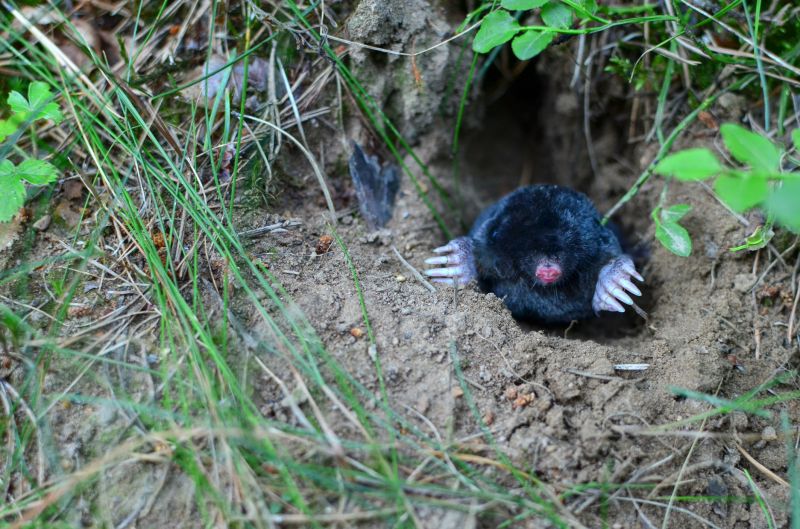
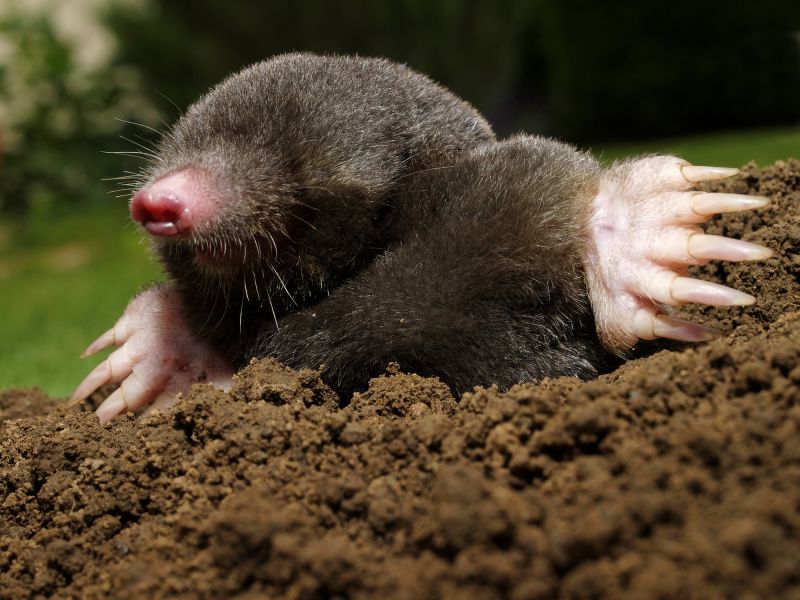
Moles can cause significant damage to lawns, roots, and irrigation systems, especially in residential areas where property owners value a healthy, attractive yard. Their tunneling habits create uneven surfaces, leading to unsightly mounds and holes that can disrupt the growth of grass and other plants. Additionally, moles often target the root zones of shrubs and trees, weakening their stability and health over time. For property owners noticing these issues, seeking the assistance of local contractors experienced in yard mole removal can help restore the yard’s appearance and prevent further damage.
Beyond surface disruptions, moles can undermine underground irrigation systems by burrowing near or through pipes, causing leaks or blockages that impair watering efficiency. This can result in increased water bills and uneven lawn watering, further stressing the landscape. Property owners who observe persistent mole activity or unexplained damage may find it beneficial to connect with local service providers who specialize in mole removal. These professionals can assess the situation, implement effective removal strategies, and help protect the integrity of the yard’s roots and irrigation infrastructure.
How do moles damage lawns and irrigation systems? Moles create tunnels that disturb the soil structure, leading to uneven ground and potential damage to underground irrigation lines. Their burrowing can weaken roots and disrupt the proper functioning of irrigation systems, causing leaks or blockages.
Can mole activity harm plant roots? Yes, moles often dig near plant roots, which can cause root disturbance or damage. This activity can weaken plants and lead to thinning or death if the roots are significantly affected.
What signs indicate moles are destroying a lawn or irrigation system? Signs include raised ridges, surface tunnels, and mounded soil. Additionally, damaged or leaking irrigation lines and patches of dead or thinning grass may suggest mole activity.
How do local contractors remove moles and prevent damage? Professional yard mole removal services typically use trapping, baiting, or exclusion methods to eliminate moles. They also recommend strategies to protect underground irrigation systems and roots from future damage.
What steps can be taken to protect irrigation systems from mole-related damage? Contractors may install barriers or covers around irrigation components and advise on mole deterrents to prevent tunneling near underground lines, reducing the risk of damage.
Identify mole activity early - property owners can monitor their lawns for signs of mole tunnels to prevent extensive damage to roots and irrigation systems, and seek help from local contractors promptly.
Implement yard barriers - installing underground barriers can help property owners protect valuable landscaping and irrigation components from mole intrusion, with assistance from local pros.
Address existing damage - property owners can work with local contractors to repair and reinforce damaged lawn areas, roots, and irrigation lines affected by mole activity.
Establish ongoing prevention - regular inspections and mole control strategies can be coordinated with local pros to maintain a healthy, damage-free lawn environment.
If you are thinking about how moles destroy lawns, roots, and irrigation systems for a property, this guide is meant to help you understand this topic, the typical project types, and how different options might fit your plans.
When you are ready, you can use the quote form on this page to share a few details about your project. From there, local pros can review the basics and follow up with options that match what you have in mind.