Termite Tenting in Tampa, FL
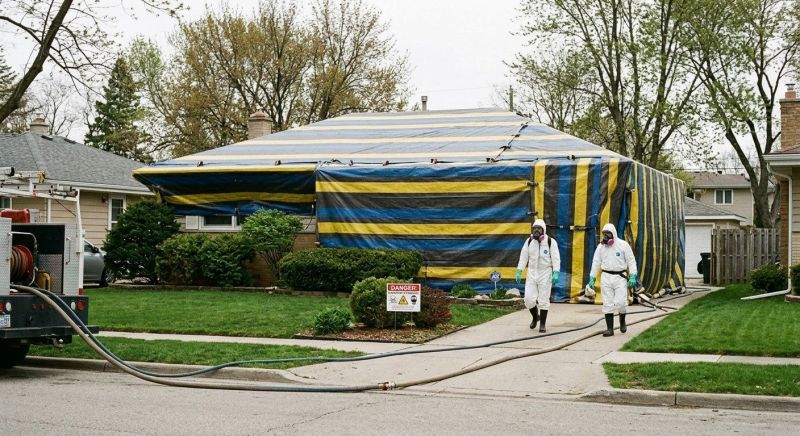
Termite tenting services involve enclosing a property with a large tent or tarp and releasing a fumigant to eliminate termite colonies that infest the structure. This method is typically used for severe infestations or when multiple units, such as apartment complexes or large homes, require treatment. Property owners should understand that the process involves temporarily vacating the premises and that the property will need to be thoroughly prepared beforehand to ensure safety and effectiveness.
Before requesting termite tenting, homeowners often want to know about the extent of the infestation, the type of fumigant used, and the necessary preparation steps. It is also common to inquire about post-treatment procedures, including any required inspections or follow-up treatments. Clear communication about the process can help ensure that property owners are fully informed and prepared for the treatment, leading to a successful and effective pest control solution.
Many property owners in Tampa, FL look into Termite Tenting for repairs, replacements, upgrades, and appearance-related improvements.
Termite Tenting Overview
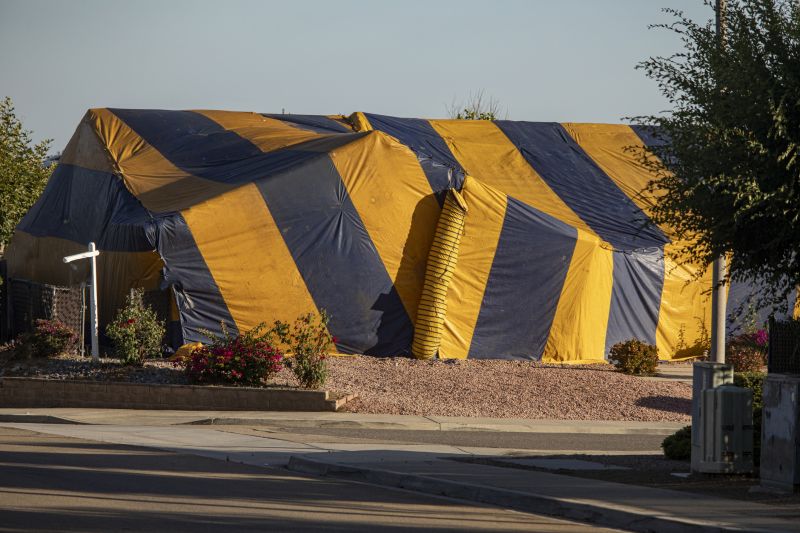
Termite tenting provides a comprehensive solution for eliminating termites from residential and commercial properties in tampa, fl.
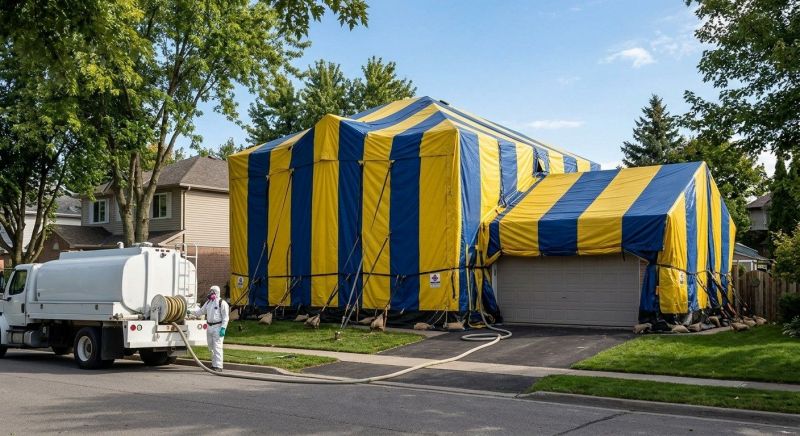
Preparation And Safety
Proper preparation ensures safety and effectiveness when treating homes and structures for termites in the tampa area.
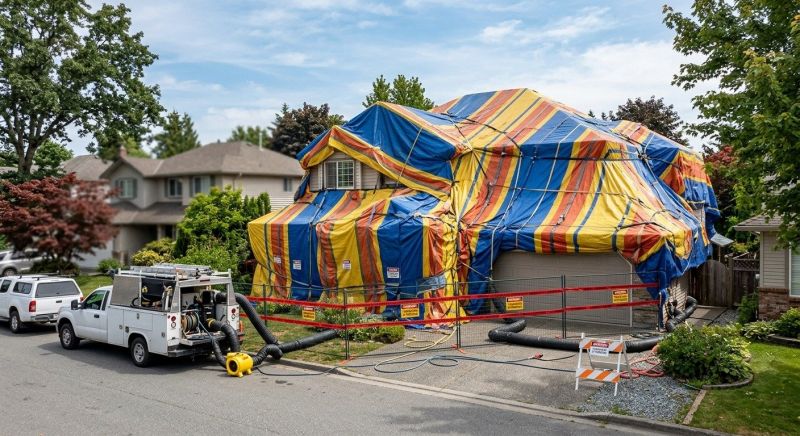
Post-Treatment Care
Following treatment, property owners can expect guidance on maintaining pest-free environments in tampa homes and businesses.
Termite Tenting in Tampa, FL

Termite tenting services involve enclosing a property with a large tent or tarp and releasing a fumigant to eliminate termite colonies that infest the structure. This method is typically used for severe infestations or when multiple units, such as apartment complexes or large homes, require treatment. Property owners should understand that the process involves temporarily vacating the premises and that the property will need to be thoroughly prepared beforehand to ensure safety and effectiveness.
Before requesting termite tenting, homeowners often want to know about the extent of the infestation, the type of fumigant used, and the necessary preparation steps. It is also common to inquire about post-treatment procedures, including any required inspections or follow-up treatments. Clear communication about the process can help ensure that property owners are fully informed and prepared for the treatment, leading to a successful and effective pest control solution.
Many property owners in Tampa, FL look into Termite Tenting for repairs, replacements, upgrades, and appearance-related improvements.
Common Termite Tenting Jobs
Termite Tenting - a treatment method that involves enclosing a property to eliminate termites effectively.
Home Protection - safeguards the structure from future termite infestations through comprehensive treatment.
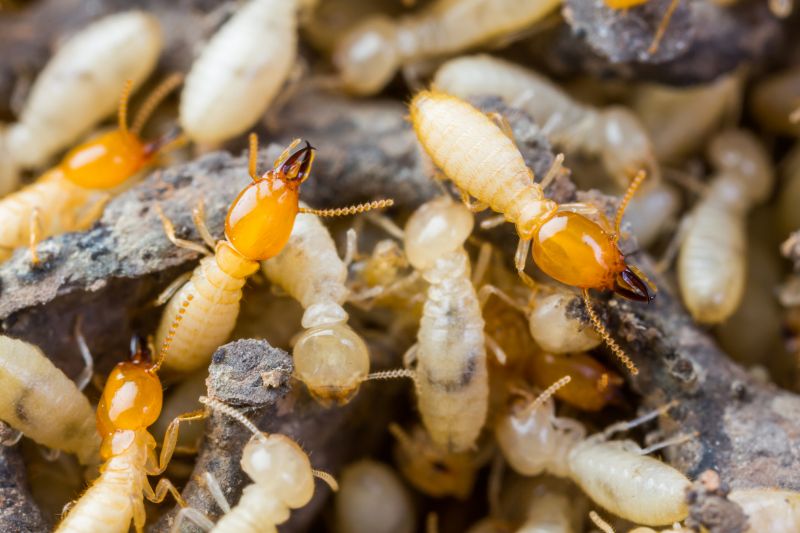
Infestation Removal - targets active termites inside the building to prevent damage and spread.
Pre-Construction Tenting - used before new construction to ensure a termite-free environment.
Infestation Inspection - assesses the extent of termite activity to determine the need for tenting services.
Post-Treatment Clearance - confirms the elimination of termites and the safety of the property after treatment.

Termite Tenting Questions
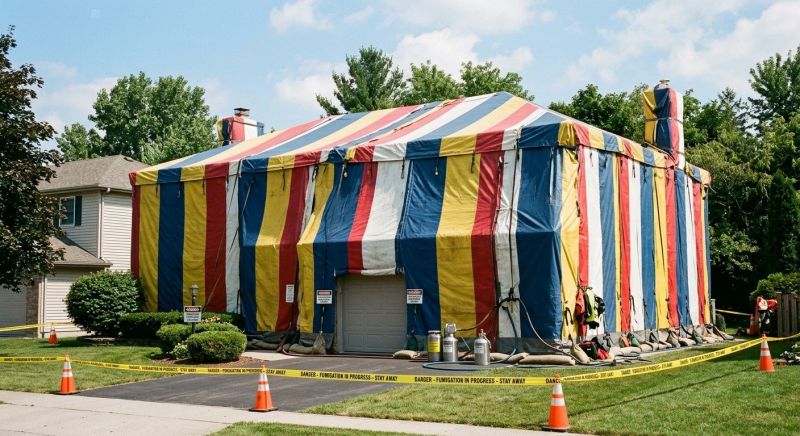
What is termite tenting? Termite tenting involves covering a property with a large tent and releasing gas to eliminate termites throughout the structure.
When is tenting recommended? Tenting is typically used when termite infestations are widespread and other treatment options are not effective.
Is the property safe after tenting? Properties are generally safe to re-enter after the gas has dissipated and proper ventilation is completed.
What types of properties can be treated with tenting? Tenting can be used on residential homes, commercial buildings, and other structures with wood or cellulose materials.
Request Termite Tenting in Tampa, FL
Use the quote form on this page to share the basics of your project and request more information for the type of work you need.